Pleasanton

PleasantonCA.city — Tri-Valley neighborhood news with hometown heart.

Back to Pleasanton

Horse stable owners push Alameda County to loosen permit rules; Measure D co-author says the plan clashes with state law

An agricultural advisory panel wants boarding stables and riding academies treated as outright farm uses, ending five-year discretionary reviews. Critics say that would blur the line the Williamson Act draws.

Reese Hardy

October 15, 20262 min read

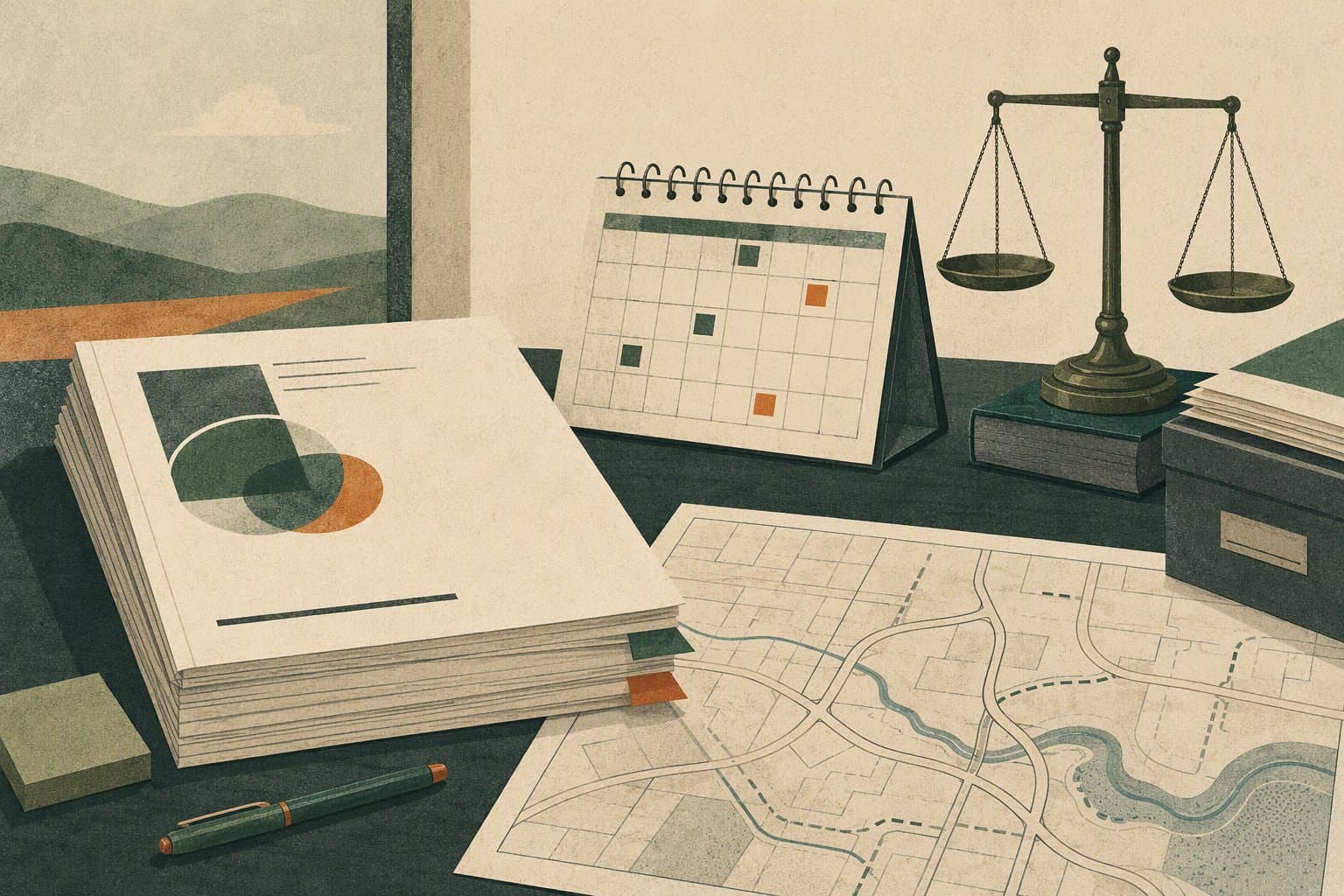
Alameda County Equestrian Zoning - illustration, Jake Team LLC

Owners of horse boarding stables and riding schools in unincorporated Alameda County want the county to stop treating their businesses as something other than farming, and the county's Agricultural Advisory Committee has taken up their cause, The Independent reported Thursday.

What would change

County zoning for agricultural districts does not list boarding stables or riding academies among the uses allowed outright. Instead they go through a discretionary site development review that has to be repeated every five years, a process owners say drives up their costs.

Committee member Larry Gosselin has drafted an amendment that would classify those equine businesses as full agricultural uses and define terms including "personal work horse," "equestrian facility" and "riding academy."

He argues state law already treats the activity as agriculture, and wrote that the county now sends boarding and riding instruction through discretionary review while grazing, breeding and training the same animals are permitted without it.

"The horse industry has been overregulated in Alameda County, as if it was an urban business in a rural environment," Gosselin said, according to the paper.

At its meeting last month, the committee voted unanimously to let Gosselin speak for it before the Board of Supervisors.
The Measure D question

Rural land use in the county is governed by Measure D, a voter initiative passed in 2000. Substantive changes to it require a public vote, but technical or nonsubstantive edits made for clarity or consistency do not. Gosselin contends his amendment falls in the second group and would not need to go to voters.

Dick Schneider, a co-author of Measure D, disagrees with the proposal on other grounds. He said it would create a conflict between horse facilities on agricultural land enrolled in Williamson Act contracts, which give owners tax breaks to keep land in farming or open space, and similar facilities on land without those contracts.

"This proposal intentionally blurs the distinction between agricultural use and recreational use under the Williamson Act. It should be rejected as written," Schneider said.

The paper reported that a county planning body may take up the amendment before the year is out. No hearing date has been set.

Sources

independentnews.com

Share

Reese Hardy

Reese Hardy writes about community life, schools, public safety, and local events in Pleasanton.

Related Stories

More in California